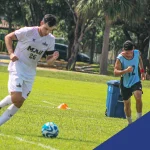

Category: Athletes

More Than Sports: How MAU Supports Student-Athletes Academically and Personally

More Than Sports

More Than Sports: How MAU Supports Student-Athletes Academically and Personally

At Millennia Atlantic University (MAU), athletics are an opportunity, not a shortcut. While competition, training, and performance matter, they are never allowed to replace the central purpose of higher education: academic achievement, personal growth, and preparation for life beyond sports.

MAU student-athletes are students first. Our athletic programs are intentionally designed to ensure that participation in sports strengthens, not compromises, academic success and long-term outcomes.

A Student-First Athletic Philosophy

MAU approaches athletics as an extension of the educational mission. This means:

  • Athletics support academics, not the other way around
  • Standards are clear, consistent, and enforced
  • Support systems are proactive, not reactive
  • Coaches, faculty, and staff work as one team

From the first day of enrollment, student-athletes are guided with transparency and structure so expectations are understood early and success is sustainable.

Academic Accountability: Structure That Supports Success

Academic accountability is a cornerstone of MAU athletics. Student-athletes are held to the same academic standards as all MAU students, with additional monitoring to reflect the demands of training and competition.

This includes:

  • Mandatory class attendance tracking, ensuring students remain engaged and compliant
  • Ongoing academic progress monitoring to identify strengths and challenges early
  • Early intervention strategies when academic concerns arise
  • Collaboration between faculty, academic advisors, and coaches to provide coordinated support

This system is not punitive; it is supportive. The goal is to identify issues early, provide guidance, and keep students on track academically before small challenges become major obstacles.

Integrated Academic and Athletic Support

Student-athletes at MAU benefit from a fully integrated support model.

Rather than operating in silos, MAU ensures coordination between:

  • Academic Affairs
  • Student Services
  • Athletics
  • Advising and Compliance

This integrated approach allows student-athletes to balance:

  • Class schedules
  • Practice and competition
  • Travel requirements
  • Assignments and exams

By aligning expectations across departments, MAU reduces confusion and ensures that student-athletes are never forced to choose between academic responsibility and athletic participation.

Preparing for Life Beyond Sports

MAU recognizes a fundamental truth: athletic careers are temporary, but education lasts a lifetime.

For this reason, MAU athletics emphasizes skills that extend far beyond competition, including:

  • Time management — balancing academics, training, and personal responsibilities
  • Leadership and professionalism — on campus, in competition, and in the community
  • Accountability and integrity — meeting commitments and upholding institutional standards
  • Career readiness — preparing for graduate study, employment, and professional life

Through structured expectations and mentorship, student-athletes develop habits and competencies that serve them long after their final game.

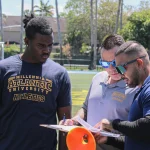
Coaches as Educators and Mentors

At MAU, coaches play a critical role beyond athletic performance. They serve as:

  • Mentors
  • Role models
  • Academic accountability partners
  • Leaders in student development

Coaches regularly collaborate with academic staff to reinforce expectations, monitor progress, and support student-athletes holistically. This shared responsibility ensures consistency and reinforces the message that success in the classroom matters as much as success in competition.

Measuring Success the Right Way

While wins and championships are celebrated, they are not MAU’s primary measure of success.

At Millennia Atlantic University:

  • Graduation matters
  • Academic progress matters
  • Character development matters
  • Life after college matters

Success is measured not just in wins but in graduates who are prepared, confident, and equipped for the future.

A Commitment That Extends Beyond the Game

MAU’s athletic programs are built on responsibility, transparency, and purpose. By combining strong academic accountability with personal development and mentorship, MAU ensures that student-athletes leave not only as competitors but as graduates ready to lead, contribute, and succeed.

At MAU, athletics are more than sports. They are part of an education designed to last a lifetime.

Student Athlete Experience at MAU: Balancing Academics and Athletics

Student Athlete Experience at MAU

Student Athlete Experience at MAU: Balancing Academics and Athletics

The student athlete experience at MAU is built on discipline, structure, and opportunity. At Millennia Atlantic University, student-athletes are expected to succeed both academically and athletically, with a clear framework that supports long-term personal and professional growth.

A Student-First Philosophy in College Athletics

At MAU, student-athletes are students first. Athletics are an extension of the academic journey, not a replacement for it.

This means:

  • Academic success is a priority
  • Athletic participation supports personal development
  • Standards remain consistent across all programs

The student athlete experience at MAU emphasizes accountability in both the classroom and in competition.

What to Expect from the Student Athlete Experience at MAU

The daily life of a student-athlete at MAU is structured, demanding, and rewarding. Students are supported in managing multiple responsibilities effectively.

Athletic Commitments

  • Scheduled practices aligned with academic calendars
  • Competitive games and tournaments
  • Conditioning and performance development sessions
  • Team meetings and strategic preparation

Academic Responsibilities

  • Consistent class attendance
  • Active participation in coursework
  • Ongoing academic progress monitoring
  • Compliance with institutional academic standards

This balance defines the college athletics and academics experience in Miami.

Structured Schedules That Promote Success

Time management is a core skill developed through the student athlete experience at MAU.

MAU helps student-athletes organize:

  • Class schedules
  • Training sessions
  • Travel commitments
  • Study time and deadlines

This structured environment promotes discipline, consistency, and performance in all areas.

Expectations for Student Athletes at MAU

Student-athletes represent the university at all times and are expected to uphold its values.

They are required to demonstrate:

  • Respect for teammates, coaches, and faculty
  • Accountability in academics and athletics
  • Professional conduct on and off campus
  • Compliance with university and athletic policies

These expectations ensure a strong and positive athletic culture.

Transparency and Real Commitment

One of the defining aspects of the student athlete experience at MAU is transparency.

Students are clearly informed that they must:

  • Attend classes consistently, even during competition periods
  • Communicate proactively with coaches and academic staff
  • Manage their time effectively
  • Represent MAU with integrity

This clarity helps students set realistic expectations and succeed.

Support Systems for Student-Athletes

MAU provides structured support to help student-athletes meet their responsibilities.

This includes:

  • Academic advising and monitoring
  • Coordination between faculty and coaching staff
  • Early intervention when challenges arise
  • Guidance in time management and organization

The goal is to ensure every student-athlete can sustain success throughout their academic journey.

Benefits the Student Athlete experience at MAU

The student athlete experience at MAU goes beyond sports. It develops essential life skills such as:

  • Discipline
  • Leadership
  • Time management
  • Accountability

These skills prepare students for careers and opportunities beyond college athletics.

More Than Athletics, A Foundation for Life

Being part of the student athlete experience at MAU means embracing a role that combines responsibility, growth, and opportunity.

With a Student First philosophy, structured support, and clear expectations, MAU prepares student-athletes to succeed in competition, in the classroom, and in their future careers.

Coaches as Mentors: The Role of MAU Coaches Beyond the Game

The Role of MAU Coaches Beyond the Game

Coaches as Mentors: The Role of MAU Coaches Beyond the Game

At Millennia Atlantic University (MAU), coaches are far more than instructors of technique or strategy. MAU Coaches are educators, mentors, and role models who play a critical role in shaping student-athletes’ academic habits, personal character, and professional readiness.

MAU believes that the true impact of coaching is measured not only by performance during competition, but by who students become long after the final whistle.

MAU Coaches as Educators First

MAU coaches understand that athletics are part of the educational experience, not separate from it. As educators, coaches reinforce the principle that academic responsibility comes first.

This includes:

  • Emphasizing class attendance and academic engagement
  • Reinforcing expectations around academic progress
  • Supporting students in balancing coursework with training and competition
  • Encouraging proactive communication with faculty and advisors

Coaches help student-athletes understand that success on the field is built on discipline, preparation, and accountability, skills that begin in the classroom.

Beyond Training: Developing the Whole Student

MAU coaches are intentionally involved in the personal development of student-athletes. Their role extends well beyond practices and competitions.

Coaches actively support:

  • Academic accountability — reinforcing expectations and monitoring progress
  • Professional behavior — modeling respect, responsibility, and conduct
  • Leadership development — encouraging teamwork, initiative, and resilience
  • Personal growth — supporting maturity, confidence, and self-discipline

Through daily interaction, coaches help students develop habits that translate into lifelong success.

Leadership Through Structure and Example

Leadership at MAU is taught through structure and consistency.

Coaches model:

  • Punctuality and preparation
  • Respect for teammates, opponents, and officials
  • Commitment to institutional values
  • Accountability for actions on and off campus

Student-athletes learn that leadership is not defined by position, but by behavior, consistency, and integrity.

A Holistic, Coordinated Approach to Student Support

MAU coaches do not work in isolation. They collaborate closely with:

  • Academic advisors
  • Faculty
  • Student Services
  • Athletics administration

This coordination ensures that student-athletes receive consistent guidance and aligned expectations across all areas of campus life.

When challenges arise, academic, personal, or logistical, coaches are often the first to identify concerns and help connect students with the appropriate support resources.

Mentorship That Extends Beyond Athletics

One of the most important roles MAU coaches play is preparing students for life after college sports.

Through mentorship, coaches help student-athletes:

  • Develop time-management and organizational skills
  • Navigate responsibility and decision-making
  • Prepare for careers or graduate education
  • Understand the value of professionalism and integrity

This guidance ensures that student-athletes leave MAU not only as competitors but as graduates equipped for the next stage of their lives.

Measuring Success Beyond the Scoreboard

At MAU, coaching success is not defined solely by wins and losses.

It is reflected in:

  • Academic persistence and graduation
  • Personal growth and maturity
  • Leadership development
  • Positive contributions to campus and community

Coaches are partners in MAU’s educational mission, helping students grow into capable, confident, and responsible adults.

A Lasting Impact

At Millennia Atlantic University, coaches are mentors whose influence lasts far beyond the game.

By emphasizing academic accountability, personal growth, and holistic support, MAU coaches help student-athletes build foundations for success that extend well beyond athletics.

At MAU, coaching is not just about developing athletes; it is about developing people prepared to lead, contribute, and succeed for a lifetime.

Athletic Scholarships at MAU: What They Are, and What They Are Not

Athletic Scholarships at MAU

Athletic Scholarships at MAU: What They Are, and What They Are Not

Athletic scholarships at Millennia Atlantic University (MAU) are designed to support student-athletes, not replace academic responsibility or institutional standards. A clear understanding of how athletic scholarships work is essential for student success, long-term planning, and compliance.

At MAU, transparency is intentional. When expectations are clearly defined, students and families can make informed decisions—and avoid misunderstandings later.

The Purpose of Athletic Scholarships at MAU

Athletic scholarships at MAU exist to:

  • Support talented student-athletes who contribute to MAU athletic programs
  • Help offset educational costs
  • Encourage balance between athletics, academics, and personal development

They are one component of a student’s overall educational plan, not a substitute for academic engagement or accountability.

What Athletic Scholarships Are

Athletic scholarships at MAU may include:

Partial or Structured Financial Support

  • Scholarships are typically partial, not full tuition awards
  • They may be combined with other forms of aid when applicable
  • The structure reflects institutional guidelines and program needs

Awarded Based on Multiple Criteria

Scholarships are awarded based on:

  • Athletic contribution and team needs
  • Institutional criteria and availability
  • Alignment with MAU’s academic and conduct expectations

Athletic ability alone does not determine eligibility.

Reviewed on a Regular Basis

Athletic scholarships are not static. They are reviewed periodically to ensure continued alignment with:

  • Academic performance
  • Attendance and engagement
  • Team participation and conduct

Regular review protects both the student and the institution by ensuring fairness and accountability.

What Athletic Scholarships Are Not

To prevent misunderstanding, it is equally important to clarify what athletic scholarships are not.

Athletic scholarships at MAU are not:

  • A guarantee of full tuition or the full cost of attendance
  • Automatically renewed from term to term or year to year
  • Independent of academic performance or institutional compliance
  • Unconditional, based solely on athletic participation

This clarity helps student-athletes plan responsibly and understand their obligations.

Renewal Expectations: Responsibility Comes First

Athletic scholarship continuation at MAU depends on several key factors.

Academic Standing

Student-athletes must:

  • Maintain satisfactory academic progress
  • Meet institutional GPA and enrollment requirements
  • Attend classes consistently

Academic success is the foundation of eligibility.

Attendance and Compliance

Student-athletes are expected to:

  • Comply with attendance policies
  • Follow institutional and athletic department guidelines
  • Meet all enrollment and eligibility requirements

Conduct and Commitment

Scholarships also depend on:

  • Professional conduct on and off campus
  • Commitment to team responsibilities
  • Respect for MAU policies and values

Athletic scholarships reflect trust. Maintaining that trust requires consistent responsibility.

Shared Accountability: Students and Institution

MAU views athletic scholarships as a shared commitment.

The university commits to:

  • Transparent communication
  • Fair and consistent review processes
  • Academic and student support

Student-athletes commit to:

  • Academic engagement
  • Personal accountability
  • Upholding institutional standards

This shared accountability creates a stable and supportive environment.

Why Transparency Matters

Clear scholarship policies:

  • Reduce confusion and misinformation
  • Support long-term financial planning
  • Protect student-athletes from unrealistic expectations
  • Uphold institutional compliance and integrity

Transparency protects students, families, coaches, and the university.

A Balanced Approach to Athletic Support

At Millennia Atlantic University, athletic scholarships are part of a broader educational mission, one that prioritizes learning, character, and long-term success.

Athletic participation is valued. Academic achievement is essential.

Scholarships support opportunity, but responsibility sustains it.

At MAU, athletic scholarships are designed to help students succeed not just as athletes, but as graduates prepared for life beyond college sports.

A Day in the Life of a MAU Student-Athlete

A Day in the Life of a MAU Student-Athlete

Life as a student-athlete at Millennia Atlantic University (MAU) is intentionally structured to promote balance, performance, and academic success. MAU designs the daily student schedule so athletics and academics work together, supporting one another rather than competing with each other. This approach begins with morning training and continues through thoughtfully scheduled class times.

Guided by a Student First philosophy, the university has intentionally structured its class schedule to ensure that student-athletes can train effectively, prepare properly, and arrive to class focused, ready, and fully engaged in their academic experience.

Early Morning: Team Training Comes First

At MAU, team training takes place in the morning hours. This structure allows student-athletes to train when energy levels are high and before academic responsibilities begin.

Student-Athlete Morning Training

  • Team practices and conditioning sessions
  • Skill development and tactical preparation
  • Strength, conditioning, and recovery work

This schedule reflects MAU’s belief that athletic preparation should be disciplined and intentional, without compromising academic focus later in the day.

Student-Athlete Recovery, Preparation, and Readiness

After morning training, student-athletes have dedicated time to recover, shower, refuel, and prepare for class. This transition period is essential to ensure students arrive to class focused, prepared, and professional.

This structure reinforces:

  • Physical wellness
  • Mental readiness
  • Respect for the academic environment

Student-Athlete Late Morning & Afternoon: Academics at the Core

To support student-athletes—and all students—MAU classes begin at 10:30 a.m.

Class Schedules at the MAU Doral Campus

Classes are offered in structured time blocks:

  • 10:30 a.m. – 1:30 p.m.
  • 2:30 p.m. – 5:30 p.m.
  • 6:30 p.m. – 9:30 p.m.

This schedule allows student-athletes to:

  • Attend classes without rushing from practice
  • Maintain consistent attendance
  • Fully engage in lectures, discussions, and coursework

Academics remain the central focus of the day.

Midday & Between Classes: Study and Academic Support

Between class blocks, student-athletes dedicate time to:

  • Studying and completing assignments
  • Meeting with professors or academic advisors
  • Preparing for exams or presentations

This built-in academic rhythm supports organization, accountability, and long-term success.

Fitness, Strength, and Wellness for All Students

MAU supports physical health and performance through a unique partnership that benefits all students—athletes and non-athletes alike.

Full Access to UFC FIT Doral

Through a university agreement, MAU students have full access to:

  • Professional fitness equipment
  • Strength and conditioning facilities
  • Wellness and training spaces

This access supports:

  • Athletic performance and recovery
  • General student health and fitness
  • A culture of wellness across campus

MAU believes physical health is a cornerstone of academic and personal success.

Evening: Coursework and Personal Responsibility

For students enrolled in afternoon or evening classes, the day continues with:

  • 2:30 p.m. – 5:30 p.m. classes, or
  • 6:30 p.m. – 9:30 p.m. classes

Evenings are also dedicated to:

  • Coursework and assignments
  • Group projects or online learning
  • Preparation for upcoming academic and athletic commitments

Student-athletes learn to manage time responsibly while meeting high expectations.

More Than a Schedule: A System That Builds Life Skills

This daily structure teaches student-athletes:

  • Discipline — starting early and staying consistent
  • Balance — integrating training, academics, and recovery
  • Accountability — showing up prepared in every environment
  • Professional habits — time management and responsibility

These skills extend far beyond college athletics.

Designed for Student Success

At Millennia Atlantic University, the student-athlete schedule is not accidental; it is designed.

By prioritizing morning training, structured academic blocks, and access to high-quality fitness facilities, MAU creates an environment where student-athletes can perform at their best without sacrificing their education.

At MAU Athletics, every day prepares student-athletes not just for competition, but for life after college sports.

What Happens When Athletes Don’t Sleep? You Won’t Believe the Results

What Happens When Athletes Don’t Sleep? You Won’t Believe the Results

The role of sleep in athletic performance is a critical area of study that highlights how sleep quality and duration directly impact physical and cognitive capabilities essential for athletes. Sleep, a complex physiological process involving multiple stages, is vital for recovery, muscle repair, and cognitive function, all of which are crucial for optimal athletic performance.

Research indicates that athletes typically require 7 to 9 hours of sleep per night to maximize their performance and recovery, yet many report insufficient sleep, leading to widespread sleep deprivation in this population.

Numerous studies establish a strong correlation between sleep and various aspects of athletic performance, demonstrating that inadequate sleep can adversely affect reaction time, strength, endurance, and accuracy in sports.

Specifically, sleep deprivation is linked to decreased endurance performance due to reduced muscle glycogen stores and increased perceived exertion, while precision sports see marked declines in accuracy and reaction times. Moreover, the cognitive repercussions of poor sleep can hinder decision-making and strategic thinking during competitions, exacerbating the risks of injury and diminishing overall athletic effectiveness.

Controversies surrounding the role of sleep in sports performance often focus on individual variability in sleep needs and the psychological factors influencing sleep quality. For instance, factors such as pre-competition anxiety and training schedules can lead to inconsistent sleep patterns among athletes, complicating their ability to assess personal sleep requirements effectively.Additionally, while some athletes may overlook the importance of sleep in favor of training and nutrition, the consensus among sports scientists emphasizes sleep as a foundational component of athletic success alongside physical training and dietary practices.

To combat the pervasive issue of sleep deprivation, athletes are encouraged to adopt various strategies aimed at enhancing sleep hygiene and quality. These include establishing consistent sleep routines, optimizing sleep environments, managing exercise timing, and utilizing strategic napping techniques.By prioritizing sleep and integrating restorative practices into their training regimens, athletes can significantly enhance their performance and overall well-being.

Sleep Physiology

Sleep is a complex, cyclical process crucial for recovery and overall well-being, particularly in athletes. It consists of several stages, primarily categorized into Non-Rapid Eye Movement (NREM) and Rapid Eye Movement (REM) sleep. NREM sleep encompasses four stages, with Stage 1 being the lightest form of sleep and Stage 4 representing the deepest level. Following these stages, REM sleep occurs, characterized by rapid eye movement, increased brain activity, and vivid dreaming. Typically, an individual cycles through these stages four to six times each night, with each complete cycle lasting approximately 90 minutes. 

The primary functions of sleep include physical restoration, cognitive processing, and emotional regulation, all of which are vital for athletes who rely on both physical and mental performance in their sports. 

During deep sleep, also known as slow-wave sleep, significant restorative processes occur. This stage is essential for muscle repair and growth, facilitated by the release of human growth hormone, which is produced in the pituitary gland, along with various anti-inflammatory agents. Conversely, REM sleep plays a critical role in cognitive functions, such as memory consolidation and emotional regulation, making it equally important for maintaining an athlete’s mental acuity and resilience. 

The required amount of sleep varies among individuals, but athletes typically need between 7 to 9 hours per night for optimal performance and recovery. Factors such as psychological and physiological stress, illness, prior sleep deprivation, and situational elements can cause significant daily variations in sleep needs and quality. 

Despite its importance, many athletes struggle to accurately assess their sleep requirements and quality, leading to a high incidence of sleep deprivation—approximately 42% of athletes report insufficient sleep. To promote better sleep quality and duration, athletes are encouraged to establish a conducive sleep environment, avoid overtraining, consider brief daytime naps, schedule training sessions thoughtfully, and minimize stressors that can adversely affect sleep quality. Prioritizing sleep as a fundamental component of training, alongside nutrition and physical exercise, is essential for maximizing athletic performance and recovery.

Effects of Sleep on Athletic Performance

Numerous studies demonstrate a strong relationship between sleep quantity and quality and athletic performance, highlighting its critical role in both physical and cognitive aspects of sport. Sleep deprivation can have significant adverse effects on various performance metrics, including reaction time, accuracy, strength, and endurance.

Endurance Performance

Endurance performance is notably hindered by sleep deprivation. Athletes experience decreased pre-exercise muscle glycogen stores, which are vital for sustaining prolonged physical activity, alongside heightened levels of perceived exertion during exercise. This combination can lead to suboptimal performance, particularly in endurance-based sports.

Sprint Performance

In contrast, sprint performance appears to be less significantly affected by sleep deprivation. While athletes may not see a marked decline in their sprinting times, they often report increased feelings of fatigue, confusion, and mood swings following inadequate sleep. This could affect their overall competitiveness and decision-making during crucial moments in a game.

Precision and Accuracy

The impact of sleep on precision and accuracy is particularly pronounced in sports that demand high levels of skill, such as tennis, golf, and dart throwing. Research indicates a strong positive correlation between sleep duration and performance in these areas; insufficient sleep is associated with impaired accuracy and longer reaction times. Notably, sleep extension has been shown to improve these performance metrics.

Cognitive Function

Sleep is essential for optimal cognitive function, which includes learning, decision-making, and executing strategic plays. Athletes who experience sleep loss often struggle with executive functions, impacting their ability to make quick and effective choices during competition. This cognitive decline can compound over time, leading to increased mental fatigue and a potential decrease in overall athletic performance.

Recovery and Muscle Growth

Sleep also plays a crucial role in recovery, particularly in the metabolic processes that contribute to muscle growth. During sleep, the body continues to convert carbohydrates into glycogen, which is stored in muscle cells and used for energy production. This process helps replenish energy stores, facilitating recovery and supporting muscle hypertrophy. Furthermore, adequate sleep enhances immune function, reducing the risk of illness, one of the leading causes of missed playing time for athletes.

Sleep Deprivation and Its Consequences

Sleep deprivation significantly impairs various aspects of athletic performance, including cognitive function, metabolic processes, and physical capabilities. Research indicates that insufficient sleep duration can lead to increased perceived effort during exercise and negatively affect endurance performance, demonstrated by reduced time to exhaustion and elevated maximum heart rate. 

Athletes who do not achieve the recommended amount of sleep are at a greater risk of sustaining injuries; a study showed that high school students who slept less than eight hours per night had a 1.7 times higher chance of injury compared to those who slept more. The cognitive impacts of sleep deprivation are equally concerning, with studies linking inadequate sleep to reductions in academic performance, mood disturbances, and impaired decision-making abilities. Specifically, a study involving judo athletes highlighted that sleep deprivation can severely diminish cognitive performance, affecting strategic thinking and reaction times. 

Additionally, the hormonal changes that occur during sleep are crucial for recovery and performance optimization. Poor sleep disrupts these processes, leading to compromised metabolic and endocrine functions that can affect athletic and cognitive outcomes. Long-term effects of chronic sleep deprivation compound over time, significantly impacting an athlete’s mental health and overall performance. To mitigate the consequences of sleep deprivation, athletes are encouraged to develop a structured sleep strategy. This may include establishing a consistent wake-up time, incorporating controlled recovery periods (such as naps), and creating a conducive sleep environment. By prioritizing sleep and employing restorative practices throughout the day, athletes can enhance their performance and well-being.

Strategies for Improving Sleep

Improving sleep quality is crucial for enhancing athletic performance. Several strategies can be implemented to ensure better sleep hygiene and overall restorative sleep.

Establish a Consistent Sleep Routine

Creating a regular sleep schedule helps regulate the body’s internal clock. Athletes should aim to go to bed and wake up at the same time each day, even on weekends. This consistency helps improve sleep quality and can enhance overall performance.

Optimize the Sleep Environment

A conducive sleep environment is essential for quality rest. This includes minimizing external distractions such as noise and light, maintaining a comfortable temperature, and ensuring the sleeping surface is suitable. Athletes should aim to create a calm atmosphere conducive to relaxation.

Manage Exercise Timing

Engaging in vigorous exercise close to bedtime can disrupt sleep. It is recommended to avoid intense training sessions or competitions one to two hours before going to bed. Instead, athletes should schedule workouts earlier in the day to promote better sleep quality.

Utilize Napping Strategically

Napping can be an effective way to supplement nighttime sleep, particularly for athletes who experience partial sleep restriction. Research indicates that naps of 20 to 90 minutes can help restore cognitive and physical performance. Notably, longer naps (around 90 minutes) tend to yield more significant benefits, although athletes should be cautious of sleep inertia—the grogginess experienced upon waking from a longer nap. A minimum period of 30 minutes should be allowed after waking to mitigate these effects.

Reduce Stress and Anxiety

Stress management techniques, such as mindfulness, meditation, or deep breathing exercises, can significantly improve sleep quality. Reducing stressors that contribute to anxiety is essential for maintaining a healthy sleep cycle.

Implement Sleep Hygiene Practices

Sleep hygiene involves a set of behaviors and practices that promote better sleep. Key recommendations include avoiding stimulants such as caffeine and nicotine in the hours leading up to bedtime, creating a pre-sleep routine to signal the body it’s time to wind down, and limiting screen time before sleep due to the effects of blue light on melatonin production. While some sleep hygiene interventions have shown mixed results, establishing consistent practices can help improve sleep duration and quality. By integrating these strategies, athletes can enhance their sleep quality, leading to better recovery and improved performance outcomes. Prioritizing sleep as a fundamental aspect of training, alongside nutrition and physical activity, is vital for optimal athletic success.

Sleep and Different Sports

Sleep plays a crucial role in the performance and recovery of athletes across various sports. The amount of sleep required for optimal performance typically ranges from 7 to 9 hours, though this can vary significantly among individuals depending on several factors, including psychological and physiological stress, illness, prior sleep deprivation, and specific situational demands. Both the quantity and quality of sleep are essential for recovery, as they enable deeper restorative sleep cycles that facilitate physiological and psychological recovery processes.

Impact of Sleep on Athletic Performance

Research indicates that sleep deprivation can adversely affect various aspects of athletic performance, including reaction time, accuracy, strength, and endurance. For instance, athletes may find that inadequate sleep leads to decreased motivation and increased risk of injury, as they often struggle to accurately assess their own sleep needs and quality. Studies have shown that approximately 42% of athletes are classified as sleep-deprived.

Sleep Patterns in Different Sports

Different sports may have unique demands that influence athletes’ sleep patterns. For example, endurance athletes often require more sleep due to the high physical demands of their training and competition, whereas team sport athletes may have varied sleep needs based on their schedules and training loads. Moreover, the pressure of competition can lead to pre-competition anxiety, further complicating sleep quality. Additionally, elite athletes from both individual and team sports exhibit distinct sleep-wake behaviors influenced by their training regimens. The timing of training sessions, travel schedules, and competition dates can all contribute to disrupted sleep patterns.

Research and Studies

Overview of Included Studies

The analysis included 25 intervention studies published between 2011 and 2021, focusing on the impact of sleep on athletic performance. The studies comprised a variety of designs: 60% were crossover trials, 8% were randomized controlled trials (RCTs), and 32% were non-randomized controlled trials (non-RCTs). Participants in these studies varied in number, ranging from 9 to 31 athletes, and spanned an age range of 13 to 33 years. The studies covered 17 different sports, with 11 focusing on team and 13 on individual sports, while one did not specify the sport.

Characteristics of the Participants

Among the 25 studies analyzed, a significant gender disparity was observed: 17 studies involved only male athletes, 3 included only female athletes, and 5 studies comprised both male and female participants. The athlete categories varied widely, but the majority represented trained athletes, with 9 studies including this group, while 4 studies focused on highly trained athletes and 3 on elite athletes.

Sleep Interventions Investigated

Twelve of the included studies specifically investigated the effects of various sleep interventions on sleep quality and cognitive performance. These interventions included sleep hygiene practices, napping, naps combined with caffeine consumption, sleep extension, removal of electronic devices, and an artificial light intervention. Notably, only one study that examined sleep hygiene over six weeks found no significant improvements in vigilance and attention as measured by the Psychomotor Vigilance Task.

Performance Outcomes Related to Sleep

The research highlighted the critical role of sleep in athletic performance. Sleep deprivation notably affected endurance performance, leading to reduced pre-exercise muscle glycogen stores and increased perceived exertion levels. In contrast, while sprint performance did not show significant impairment from sleep deprivation, athletes reported higher levels of fatigue, confusion, and mood swings. Additionally, precision and accuracy in performance exhibited a strong positive correlation with sleep duration, emphasizing the importance of adequate rest for athletes.

Conclusion: Sleep – The Ultimate Game Changer in Athletic Performance

In the relentless pursuit of excellence, athletes often focus intensely on training, nutrition, and mental conditioning—yet sleep remains an underutilized and underestimated asset. The overwhelming body of research makes one truth clear: sleep is not a luxury for athletes—it is a necessity. It is during sleep that the body rebuilds muscle, restores energy reserves, sharpens the mind, and prepares for the next challenge. Without adequate rest, even the most rigorous training and strategic preparation can fall short.

From endurance and precision to decision-making and injury prevention, every critical aspect of performance hinges on quality sleep. The consequences of sleep deprivation are not merely theoretical—they are real, measurable, and often detrimental to both short-term performance and long-term health.

Athletes who neglect sleep are playing at a disadvantage, while those who prioritize it gain a natural, science-backed edge. In a world where milliseconds and micro-decisions determine victory or defeat, sleep may just be the most powerful performance enhancer available—and it’s 100% legal and free.

It’s time to shift the mindset. Sleep is not the enemy of productivity—it’s the foundation of peak performance. For athletes striving to reach their full potential, mastering sleep is not optional—it’s essential.

Sources

MAU's Women's Softball

MAU’s Women’s Softball

COMING SOON ! SOFTBALL TEAM TO START FALL 2025